
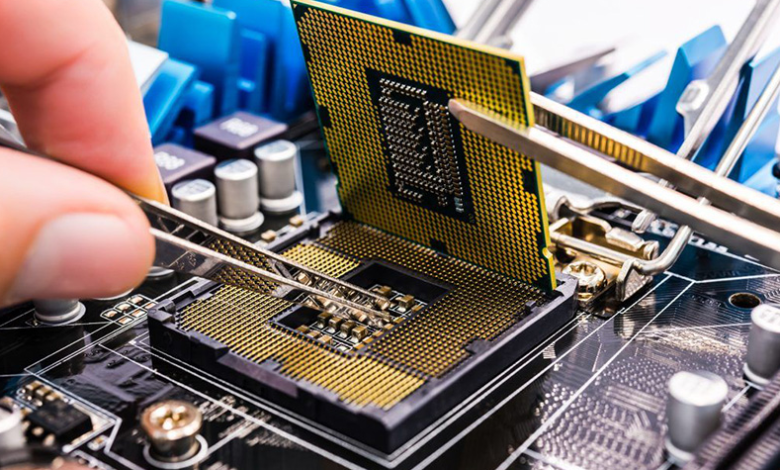
Computer hardware basics lay the foundation for understanding how a computer operates. Key components include the CPU, memory types, motherboard, power supply, and cooling systems. Each element plays a vital role in ensuring the system runs efficiently. The interaction between these components can significantly impact performance. Exploring these aspects further reveals the intricacies that can enhance or hinder a computing experience. What factors should one consider when selecting these components?
The Central Processing Unit (CPU)
The Central Processing Unit (CPU) serves as the brain of a computer, executing instructions and processing data.
Its architecture dictates how efficiently it can handle tasks, influencing overall performance. A well-designed CPU maximizes processing speed, allowing for swift computations and multitasking.
Understanding CPU architecture is essential for those seeking to enhance their computing experience and enjoy the freedom of seamless technology interaction.
Memory Types: RAM and Storage
Memory in computing is essential for both immediate processing and long-term data storage.
RAM types, such as DDR and SDRAM, influence system performance significantly.
Meanwhile, various storage solutions, including SSDs and HDDs, provide different capacities and speeds.
Users can explore upgrade options for both RAM and storage to enhance performance impact, ensuring a responsive and efficient computing experience tailored to individual needs.
Motherboard and Its Components
Central to any computer system is the motherboard, often referred to as the mainboard or system board.
Its motherboard layout determines the arrangement of components, including the CPU, RAM, and expansion slots.
The chipset functions as a communication hub, managing data flow between the processor, memory, and peripherals.
Understanding these elements is crucial for optimizing performance and ensuring system compatibility.
See also: 18339811372 Top Tech Stocks to Watch for Explosive Growth
Power Supply and Cooling Systems
Power supply units (PSUs) and cooling systems are essential components that ensure a computer operates efficiently and reliably.
The power supply converts electrical energy to a usable form, while effective cooling methods, such as air or liquid cooling, maintain optimal temperatures.
Together, these elements prevent overheating and system failure, allowing users the freedom to maximize performance without compromising reliability.
Conclusion
In the grand circus of computer hardware, the CPU juggles tasks while RAM and storage play hide-and-seek with data. The motherboard, a reluctant referee, tries to keep everything in line, while the power supply and cooling systems engage in an epic battle against chaos and heat. One might wonder if these components are simply plotting their escape from the user’s relentless demands. Yet, without them, we’d be left staring at blank screens, pondering the meaning of life—or at least our next upgrade.

